

Key Takeaways
Usually, no: Massachusetts has no single statewide permit requirement for every private-property tree, but a town or regulated location may require approval. We should confirm the rule for the specific property before scheduling work.
- Check town bylaws and ask the appropriate town office before removal.
- Trees near wetlands, public land, streets, or property boundaries call for extra care.
- Applications may require photos, a site plan, review time, fees, or replacement planting.
- Emergency conditions do not automatically mean every approval requirement disappears.
- Keep written approvals and permit records with the job documents.
Massachusetts does not have one permit rule for every tree
Usually, a tree on private property can be removed without a statewide permit, but local rules may require one. The answer can change with the town, the tree’s location, and whether it is protected by a local rule. We should check first rather than assume a familiar rule applies everywhere.
Town bylaws can set different requirements
Massachusetts towns can adopt different rules for tree removal, so the same kind of tree may be treated differently from one community to the next. Cambridge, for example, provides its own tree permit guidance, including local application information. Treat another town’s webpage as an example, not as a rule for your address.
The tree’s location can change which rules apply
A tree near a wetland, conservation area, street, or public right-of-way may be subject to a separate review. The rules can also change if the work involves clearing or disturbing more than the tree itself. The exact location matters, so mark the trunk on a map or take a clear photo before calling the town.
Private property does not always mean permit-free
Ownership alone does not settle the permit question. Some towns have tree preservation rules that apply to private lots, and work near wetlands may need review by the local conservation authority. Arbor Tree Service offers tree preservation as a service, but the town or conservation office determines which approvals apply to a property.
Check local rules before scheduling removal
Before setting a date, check the property’s town requirements and ask whether any local or conservation review applies. Our tree removal service can address the physical work, but a town’s approval process is separate. Getting the answer in writing helps avoid a last-minute change to the plan.
When a tree removal permit in Massachusetts may be required
Approval is more likely when a tree is connected to public land, a protected area, or a local preservation rule. These are common reasons to pause and check, not a complete list of every town’s rules. In Essex County, wetland buffers and conservation areas make it especially useful to confirm the limits on a site before work begins.
The tree is near a wetland or conservation area
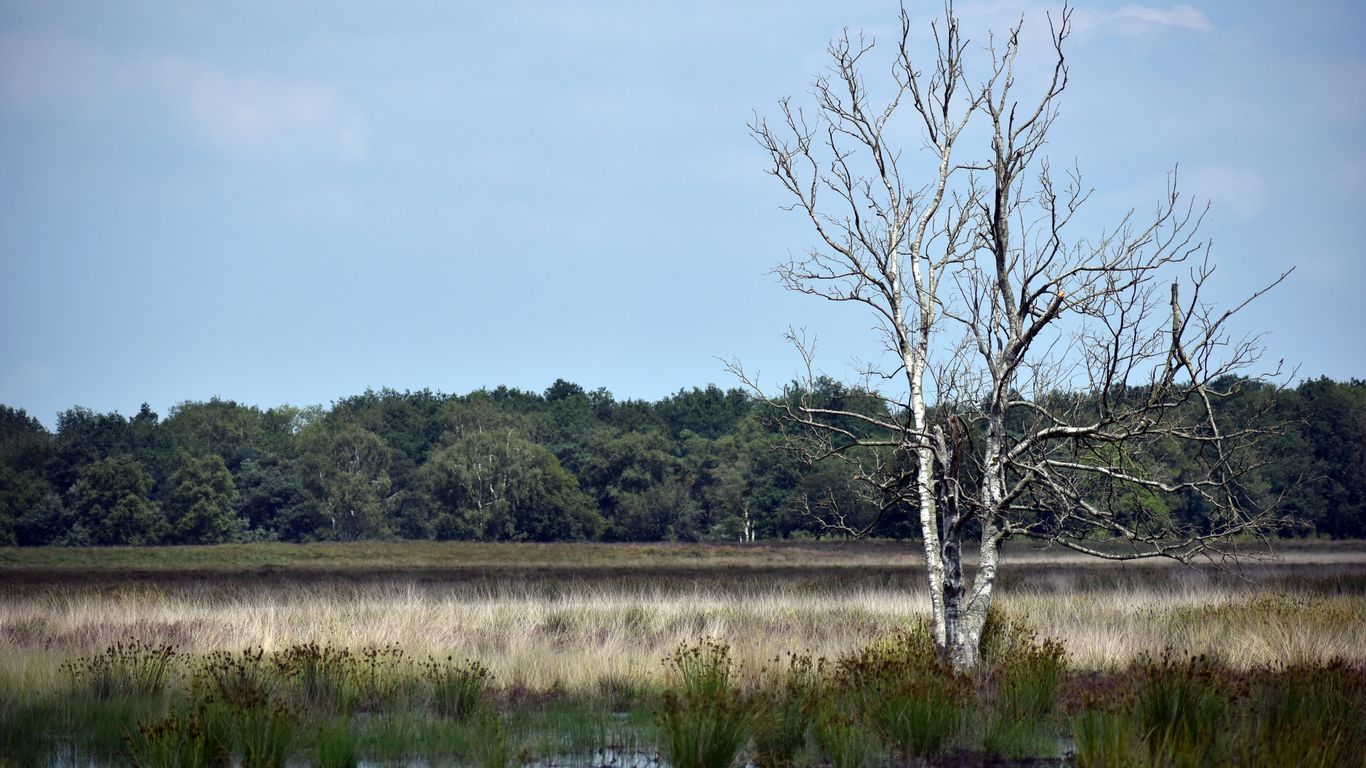
Trees near wetlands or other protected areas may fall under local conservation review. The relevant area may extend beyond the visible water’s edge, so a tree that looks set back from a pond or stream can still merit a town check. Ask the conservation office whether the tree or access route is within a regulated area.
The tree is on public land or beside a street
A tree in a public right-of-way or on public land is not treated like an ordinary backyard tree. Massachusetts law and town procedures can apply to public shade trees, and a local tree warden or other municipal office may handle the review. Do not direct a crew to remove a street-side tree until the town confirms who has authority over it.
A local tree preservation rule covers the property
A town may have a tree preservation bylaw or ordinance with its own definitions and approval steps. Cambridge’s requirements, for instance, are specific to Cambridge and should not be applied to a neighboring community. Ask the town whether a preservation rule covers your lot, and whether it applies to the particular tree or proposed work.
The tree sits on or near a property boundary
A tree near a lot line can raise questions about ownership, access, and responsibility for damage. Before work starts, confirm the boundary and speak with the neighbor if the tree or its branches cross onto their land. A survey or property plan may help when the line is unclear.
How to check your town’s requirements
Start with the address, then ask the town office responsible for trees, public shade trees, or conservation review. Town websites are useful, but an outdated page or a rule written for another kind of work can leave gaps. A short, specific inquiry usually gets a more useful answer than asking only whether “tree permits” are required.
Start with the town website and tree-related bylaws
Search the town’s website for tree removal, tree preservation, public shade trees, and conservation commission information. Read the bylaw or ordinance itself when available, because a general webpage may not describe every exemption or application step. If the property is near water, look for wetland and conservation materials as well.
Contact the town office that handles trees or conservation
Depending on the question, the right contact may be a tree warden, planning office, building department, or conservation commission. If you are unsure, call the town clerk or general information line and ask which office handles tree removal approvals. Arbor Tree Service can provide 24/7 emergency services for urgent tree situations, while the town remains the source for permit requirements.
Share the property address, tree location, and reason for removal
Give the office enough detail to identify the tree and understand the proposed work. A concise inquiry can include the following:
- The property address and the tree’s approximate location on the lot.
- Whether the tree is near a street, boundary, wetland, or other protected area.
- The reason for removal, such as storm damage, decline, or planned site work.
- Photos showing the full tree and the base of the trunk.
These details help the town direct the question to the right reviewer. If storm damage is involved, keep useful records and see this guide to insurance documentation after tree damage for general documentation considerations.
Ask for written confirmation before work begins
A phone conversation can point you in the right direction, but written confirmation gives you a record of what the office advised. Ask whether a permit is required, who must apply, and whether any conditions or waiting periods apply. Keep the response with your estimate and other job records.
What a permit application may involve
A town may ask for basic information about the tree and the proposed work, then review whether local rules apply. The documents and timing vary by municipality, so do not assume a neighbor’s past application will be the same. If the property is regulated, leave room in the schedule for review before booking removal.
Photos, a site plan, or an arborist assessment
An application may ask for photos, a sketch or site plan, and a description of why the tree should be removed. Some reviews may also request an arborist assessment, particularly when the reason is that the tree is dead or hazardous. Clear images of the whole tree and trunk base can make the request easier to understand.
A review period, public notice, or hearing
Some applications receive an administrative review, while others may involve public notice or a hearing. Public trees and larger projects can have additional steps. Ask the town what happens after filing and whether you must wait for a decision before work starts.
Fees, replacement planting, or other conditions
An approval may come with a fee, replacement planting, or conditions on how work is carried out. The town can explain whether those requirements apply and how they are documented. Read the decision carefully so the crew and property owner are working from the same instructions.
Extra time if the property is in a regulated area
Wetland or conservation review can add steps beyond a basic tree-removal request. Before setting a start date, ask whether another application, site visit, or additional material is needed. That small check can prevent a scheduled job from being held up while paperwork is incomplete.
Special cases that call for an extra check
Some situations feel straightforward but still deserve a call to the town. A tree can be hazardous, close to a neighbor’s property, or affected by public or utility work, and those details may change who can authorize removal. We should separate the urgency of the physical work from the question of which approvals are required.
A storm-damaged or hazardous tree
A split trunk or hanging limb can create an immediate concern, but an emergency does not automatically erase every local requirement. Contact the town if it is safe to do so, and explain the risk clearly. Arbor Tree Service responds to emergency tree situations, but the approval question should still be confirmed with the relevant authority whenever circumstances allow.
Work near a wetland buffer
A wetland buffer may cover land beyond the wet area itself. If the tree, equipment access, or cleanup could affect that area, ask the conservation office before work begins. A quick map review can clarify whether the proposed work needs additional review.
A tree shared with a neighbor or close to a boundary
When a trunk stands on the lot line, ownership and permission can be disputed. If the boundary is uncertain, avoid treating a branch line or fence as proof of the legal lot line. Get agreement from the affected neighbor and resolve the location before authorizing work.
A tree that may be affected by utility work
If utility work is planned near the tree, ask the utility and town who is responsible for the work and whether separate permission is needed. Do not assume a utility project automatically covers private removal or tree work outside its scope. Get the instructions in writing before any cutting begins.
What can happen if you remove a tree without approval
Removing a regulated tree without permission can lead to enforcement action, added expense, or a dispute about what must happen next. The outcome is set by the town’s rules and the facts of the job, so it is better to check than to rely on a guess. Preserve any permit, approval, or written direction alongside the work documents.
The town may issue a stop-work order or a fine
A town may direct work to stop or impose a fine when removal violates a local rule. Public trees may also be subject to separate legal protections. If the town contacts you about a removal, ask which rule applies and what steps are required to address it.
You may have to replace the tree or restore the site
Some rules allow a town to require replacement planting or other mitigation after unauthorized removal. The specific remedy depends on the local requirements and the circumstances. Do not assume that paying a fine, if one is issued, resolves every restoration obligation.
Disputes can arise over boundary trees or property damage
A boundary disagreement can become more difficult after a tree is removed, particularly if the work affects a neighbor’s property. Take photos before work, clarify access, and document any agreement with the neighbor. If damage occurs, record what happened and contact the appropriate parties promptly.
Keep permits and written approvals with the job records
Store the town’s response, permit, conditions, and any relevant site information together. This record can help answer questions later about what was approved and when. If storm damage prompted the work, keep the incident photographs and other records with the same file.
Conclusion
For an ordinary private-property tree in Massachusetts, a permit is often not required statewide, but local bylaws and protected locations can change the answer. Check with the town before setting a removal date, and request an estimate if you need help planning the tree work.
Frequently Asked Questions
Do I need a permit to remove a tree on private property in Massachusetts?
Often, no statewide permit is required for an ordinary private-property tree, but a local bylaw or regulated location may require approval. Confirm with the town before work begins.
Does Massachusetts have one statewide tree removal permit?
No single statewide permit rule covers every tree and property. Local rules and the tree’s location can determine whether an approval is needed.
Who should I contact about a tree near a wetland?
Contact the town’s conservation commission or the office responsible for wetland review. Share the address and the tree’s location, and ask whether the work needs review.
Can I remove a tree beside the street without permission?
Do not assume so. A street-side tree may be in a public right-of-way or protected as a public shade tree, so ask the town who controls it.
Does an emergency tree always need a permit?
An urgent hazard may have a different process, but emergency conditions do not automatically cancel local requirements. Contact the town as soon as it is safe and explain the immediate risk.
What information might a permit application require?
A town may ask for the property address, tree location, photos, a site plan, and the reason for removal. Some reviews may also request an arborist assessment or additional information.
What should I do if I am unsure where the property line is?
Pause the work and confirm the boundary before removal. A property plan or survey may help, and it is wise to discuss the tree with the neighbor if the trunk or work area is near the line.