

Key Takeaways
Homeowners insurance may help pay for tree removal after a covered event, especially when a tree damages an insured structure. The landing place, cause of the fall, policy limits, and deductible all matter.
- Removal may be covered when a covered event brings a tree down onto an insured structure.
- A tree that falls without damaging covered property is often not covered for removal.
- Dead or visibly neglected trees and preventive work are usually treated as maintenance.
- Debris removal and repairs may have separate coverage limits, and your deductible applies.
- Keep clear of hazards, document the scene, and check with your insurer before non-urgent work.
When homeowners insurance may cover tree removal
Yes, sometimes. Homeowners insurance may cover removal when a covered event brings a tree down onto your house or another insured structure, though policies can set limits on cleanup. The cause of the fall and the exact terms in your policy matter more than the fact that a tree came down.
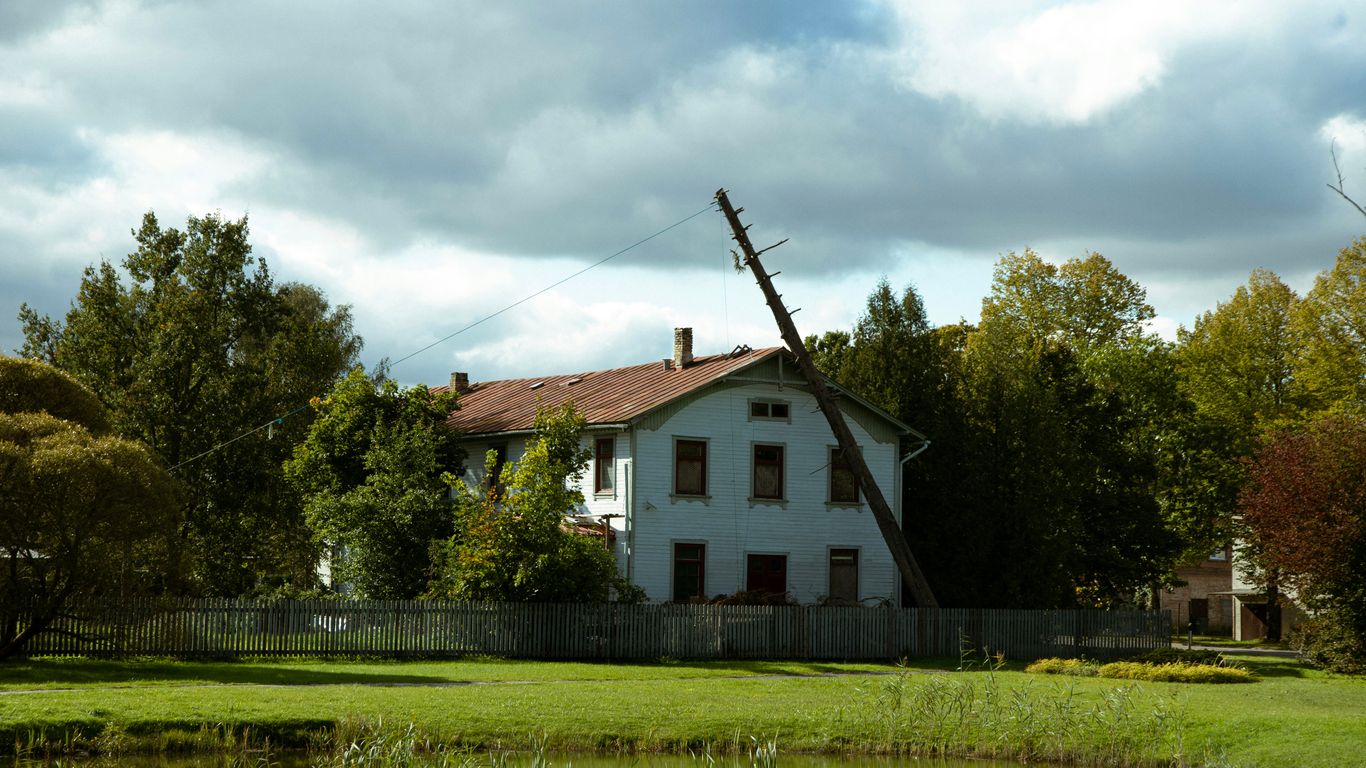
A covered storm causes a tree to hit your house or garage
If wind or another covered event brings a tree onto your home or garage, your policy may pay for covered structural repairs and some removal costs. The insurer will look at the event, the damage, and the coverage written into your policy. Take reasonable steps to keep people safe, but avoid starting non-urgent cleanup before you have guidance from the insurer.
For the physical work, tree removal services can address trees that have fallen onto a structure. Arbor Tree Service provides tree removal, but the insurer decides whether your particular claim qualifies for payment.
A tree damages another insured structure on your property
A shed or other insured structure may be treated differently from a fence or landscaping. The policy’s coverage for that structure, along with the cause of the damage, will shape how the claim is handled. We should check the policy wording rather than assume every item on the property is covered the same way.
The cause of the fall and your policy terms control coverage
A fallen tree alone does not establish that the loss is covered. Insurers generally review what caused the tree to fall and whether that event is covered under the policy. The policy language is decisive: exclusions, limits, and conditions can change the result, so ask the insurer to explain the relevant terms in writing.
When removal is usually not covered
A tree can be dangerous and still fall outside the coverage provided for removal. Policies commonly distinguish sudden damage to insured property from routine upkeep or clearing a tree that caused no covered damage. The wording in your own policy remains the best guide.
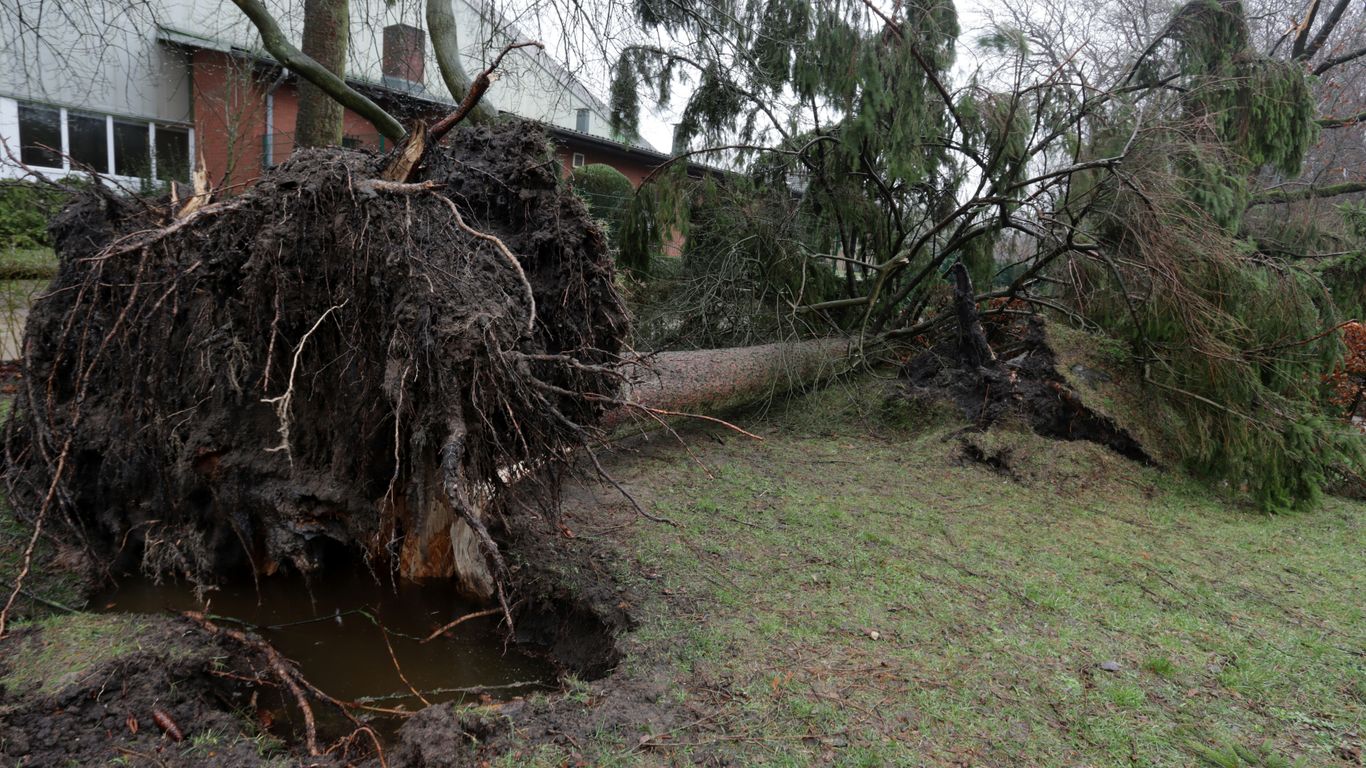
A tree falls without damaging covered property
When a tree lands in the yard and misses covered structures, a policy may not pay to remove it. Some policies have limited exceptions, such as a tree blocking a driveway or access route, but those provisions vary. Check the policy before assuming the cleanup is covered.
A dead or diseased tree falls after signs of neglect
An insurer may examine whether a tree had visible signs of decay or instability before it fell. That does not mean wet soil, an old tree, or a storm-damaged limb automatically proves neglect. Keep any records of prior inspections or tree work, and let the insurer assess the cause rather than guessing at it.
Preventive removal and routine pruning are maintenance
Removing a tree because it leans toward the house, or pruning branches before storm season, is generally maintenance rather than a covered loss. That work can still reduce the chance of damage, but homeowners usually arrange and pay for it themselves. If a tree is concerning, have it assessed on site before deciding what work is needed.
How the landing place affects coverage
Where a tree comes to rest can change which coverage provisions apply. A house, garage, fence, lawn, and public road are not necessarily treated alike under a homeowners policy. The table below gives a practical starting point, not a promise of payment.
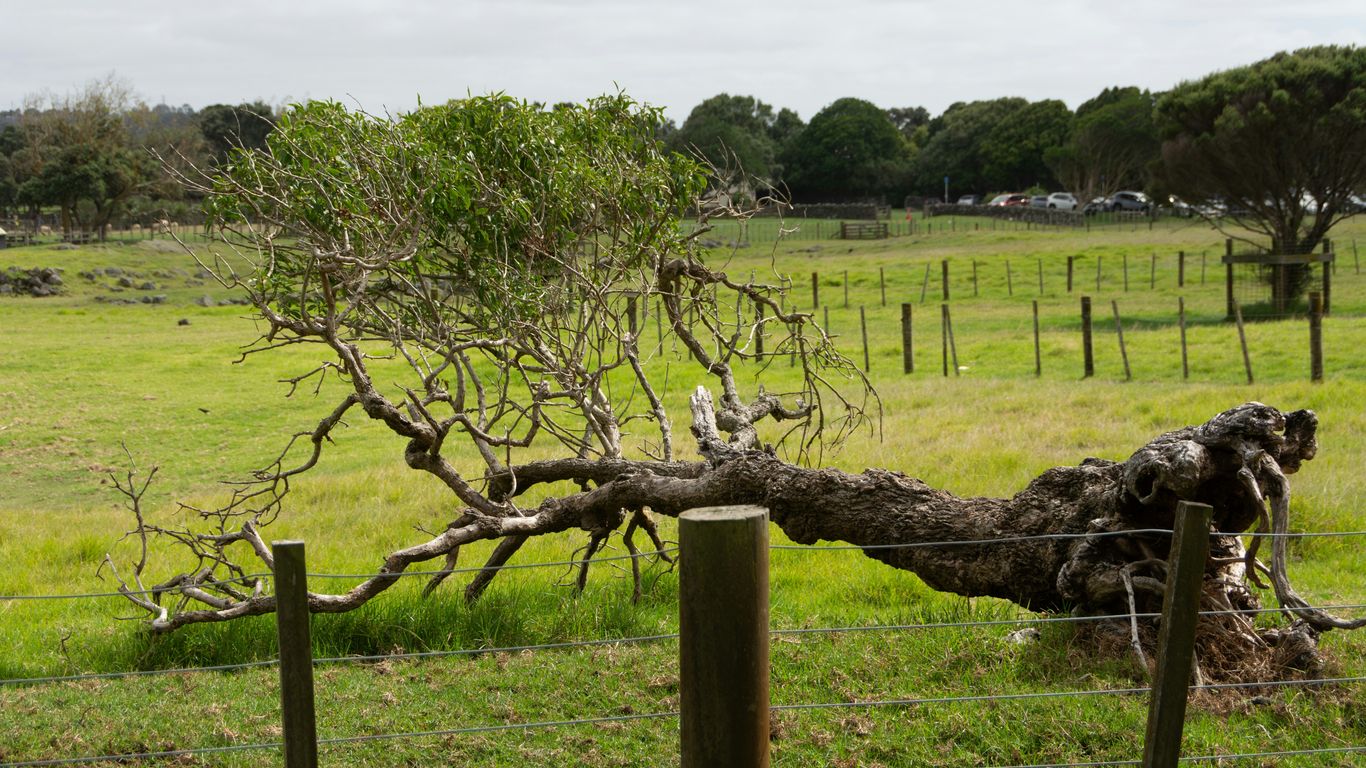
A tree lands on a house, garage, or other insured structure
Damage to an insured structure is often the clearest circumstance for a potential claim, provided the fall resulted from a covered event. Removal and repairs may still have different limits or conditions. We should report both the structural damage and the tree cleanup need to the insurer.
A tree lands on a fence, driveway, or landscaping
A fence may be covered under an “other structures” provision, but a driveway or landscaping may be handled differently. Even where a structure is insured, the cause of loss and applicable limits still matter. Use this comparison to frame the questions for your insurer:
| Where the tree lands | What to check in the policy | Possible coverage issue |
|---|---|---|
| House or garage | Dwelling or other-structure coverage | Repair and removal may be treated separately |
| Shed or similar structure | Whether the structure is insured | Limits may differ from the home’s coverage |
| Fence | Other-structures terms and exclusions | Coverage may not match building coverage |
| Lawn or landscaping | Any specific landscape provisions | Cleanup may not be included |
The landing spot is only one part of the claim. Ask what coverage applies to each damaged item and whether debris removal has a separate limit.
A tree falls on a neighbor’s property or blocks a road
If a tree crosses a property line, ownership by itself may not answer who pays. The affected property owner should contact their insurer and document the damage, while both neighbors avoid unsafe cleanup. A tree blocking a public road can also involve local or utility authorities, so keep clear and report the obstruction to the appropriate agency.
What your policy may pay for
A covered claim may involve more than one kind of expense. Structural repairs, debris removal, and the deductible can each affect the amount paid. Before arranging work, we should ask the insurer what documentation it needs and what limits apply.
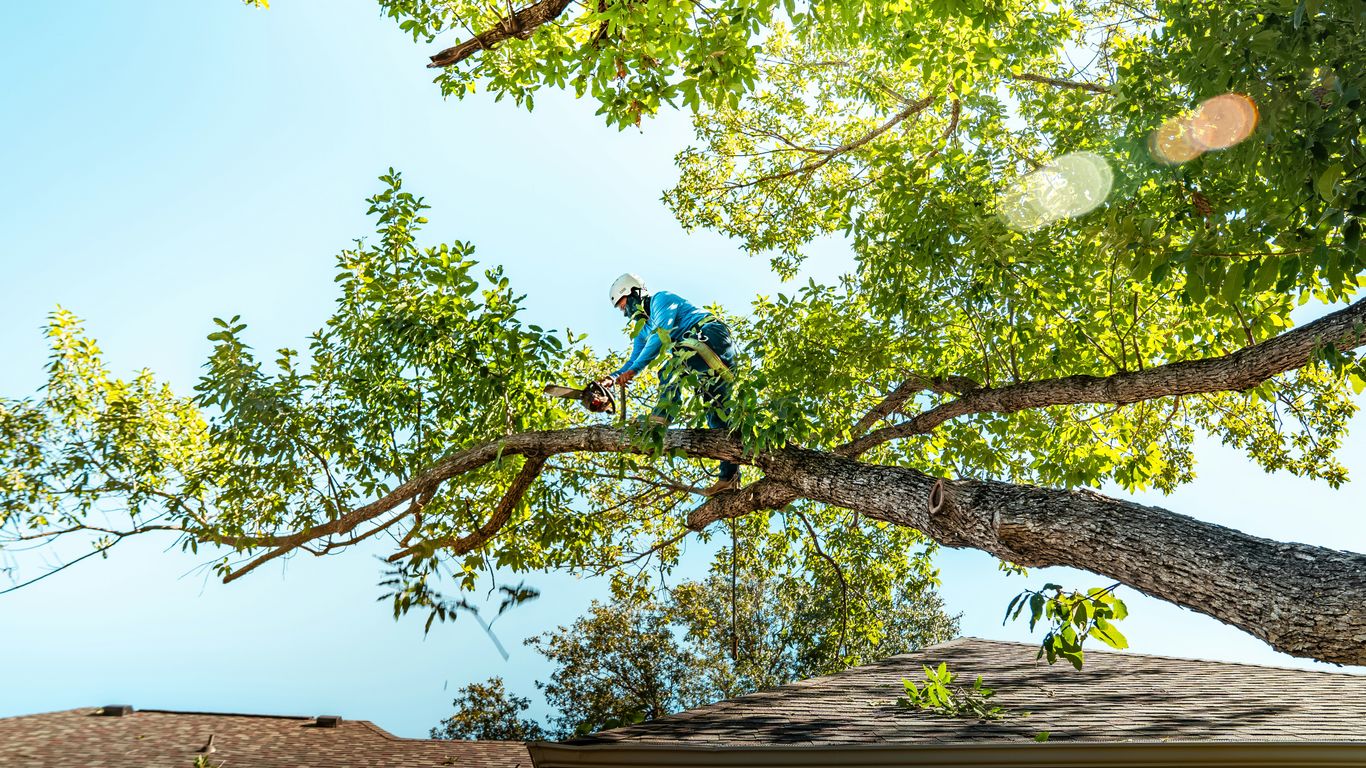
Debris removal may have separate limits or conditions
Some policies set a separate cap or conditions for removing fallen trees, even when the fall damaged an insured structure. The limit may not match the cost of the whole job. For general background, you can review these policy explanations, then confirm the exact provisions in your own policy.
Repairs to damaged structures are separate from tree removal
The cost to repair a roof or garage is not necessarily the same coverage item as removing the tree. Ask the adjuster to explain how each part of the loss will be evaluated, including whether emergency work needs prior approval. Arbor Tree Service offers crane service for difficult tree work, but the choice of removal method does not determine insurance coverage.
Your deductible can make a small claim impractical
A deductible is the amount you pay toward a covered loss before insurance contributes. If the covered damage and cleanup are modest, the deductible may reduce or eliminate a payment. Compare the insurer’s estimate of covered costs with your deductible before deciding whether to proceed with a claim.
What to do after a tree falls
First, keep people away from the tree and any damaged structures. Do not climb on debris or try to move a tree that is under tension. Once the immediate danger is addressed, clear documentation and a quick call to your insurer can make the next steps easier.
Keep people clear and call the utility about downed wires
Treat every downed wire as live, and do not touch the tree or nearby objects that may be in contact with it. Keep back and contact the electric utility or emergency services as appropriate. Arbor Tree Service provides 24/7 emergency response for urgent tree situations, but utility hazards must be handled by the utility or emergency responders.
Photograph the tree, damage, and surrounding conditions
Take photos from a safe distance before debris is moved, if it is safe to do so. Capture the tree’s position, damage to structures, and surrounding conditions such as saturated ground or broken limbs. These records may help the insurer understand what happened.
Contact your insurer before authorizing non-urgent work
Call your insurer or agent, describe the damage, and ask what steps to take next. For a non-urgent removal, get approval or clear instructions before authorizing the work. If the tree is unstable, keep away while the insurer and qualified professionals determine a safe response.
Save estimates and invoices for emergency cleanup
Keep written estimates, invoices, and receipts for any work you authorize. A short record of when the tree fell and what immediate steps were taken can also help. For a removal estimate, request an estimate and keep the written details with your claim documents.
To keep the claim record organized, we can follow a simple sequence after the immediate hazard is addressed:
- Notify the insurer and record the claim number.
- Photograph the damage from safe locations.
- Ask which emergency measures are approved.
- Save estimates, invoices, and receipts.
This record will not guarantee coverage, but it gives the adjuster a clearer account of the event and the work completed.
How Massachusetts weather and site conditions can matter
Massachusetts storms can bring strong wind, ice, and heavy rain, sometimes in quick succession. Those conditions help explain how a sound-looking tree may fail, but they do not by themselves settle an insurance claim. Site access also affects how a crew can safely remove a tree after the insurer has addressed coverage.
Nor’easters, wind, and ice can damage otherwise sound trees
Nor’easters, coastal wind, and ice loading can break limbs or bring down trees without obvious prior warning. A storm-related failure may support a claim when the event is covered and insured property is damaged. The insurer still needs to assess the facts and policy terms.
Wet soil can contribute to root failure without proving neglect
Wet spring soil can loosen the ground around a tree’s roots, and saturated conditions can contribute to a tree tipping over. That observation alone does not prove that the tree was neglected. Share what you know with the adjuster and let them evaluate the cause.
Tight access or nearby septic systems may affect removal planning
Narrow driveways, mature trees, pools, and septic systems can limit where removal equipment can be placed. Arbor Tree Service offers crane service for complex removals, including work where protecting the yard or nearby features matters. A site assessment helps identify access and equipment needs; it does not decide what the insurer will cover.
Get a Tree Assessment
If a fallen or unstable tree needs attention, contact Arbor Tree Service to discuss an on-site assessment and the practical next step for removal.
Conclusion
Homeowners insurance may cover tree removal when a covered event damages an insured structure, but a tree in the yard without covered damage is often the homeowner’s responsibility. Document the scene, follow your insurer’s instructions, and check the policy’s limits and deductible before authorizing non-urgent cleanup.
Frequently Asked Questions
Does homeowners insurance cover tree removal after a storm?
It may, especially when a covered storm causes a tree to damage an insured structure. The policy’s terms, limits, and deductible still apply.
Will insurance pay to remove a tree that fell in my yard?
Often, not if the tree did not damage covered property. Check your policy for any specific exception, such as a provision for a blocked access route.
Does insurance cover a tree that falls on a fence?
Possibly. A fence may be covered under other-structures provisions, but the cause of the fall and policy terms affect the outcome.
Does homeowners insurance pay to remove a dead tree before it falls?
Preventive removal is generally considered maintenance and is usually not covered. Ask your insurer if your policy has a specific provision that applies.
What if a neighbor’s tree falls on my house?
Document the damage safely and contact your insurer. The tree’s ownership alone does not determine how the claim will be handled.
Does insurance cover emergency tree removal?
A policy may cover some emergency removal costs when a covered event causes damage, but limits or approval conditions may apply. Ask the insurer what work it authorizes.
Should I remove the tree before the adjuster visits?
Do not begin non-urgent work until you have contacted the insurer and learned what documentation or approval it requires. Address immediate safety hazards without putting yourself at risk.