

Key Takeaways
A standard residential tree removal in Haverhill usually runs $450 to $1,500. Large, hazardous, or difficult removals often run $2,000 to $8,000, while crane work can reach $15,000 or more.
- Small backyard trees usually cost less than tall trees near structures.
- Dead, split, leaning, or storm-damaged trees require more planning and control.
- Roofs, driveways, utility lines, septic systems, and tight access can raise the price.
- Crane removals in Massachusetts commonly range from $2,000 to $15,000 or more.
- A written, on-site estimate should spell out removal, cleanup, hauling, and stump work.
What tree removal in Haverhill, MA usually costs
For a typical tree removal Haverhill MA homeowner should budget $450 to $1,500 for one accessible residential tree. That range covers many straightforward removals where the crew can work from the yard and lower or drop sections safely. Larger trees, restricted access, and urgent storm work move the number upward.
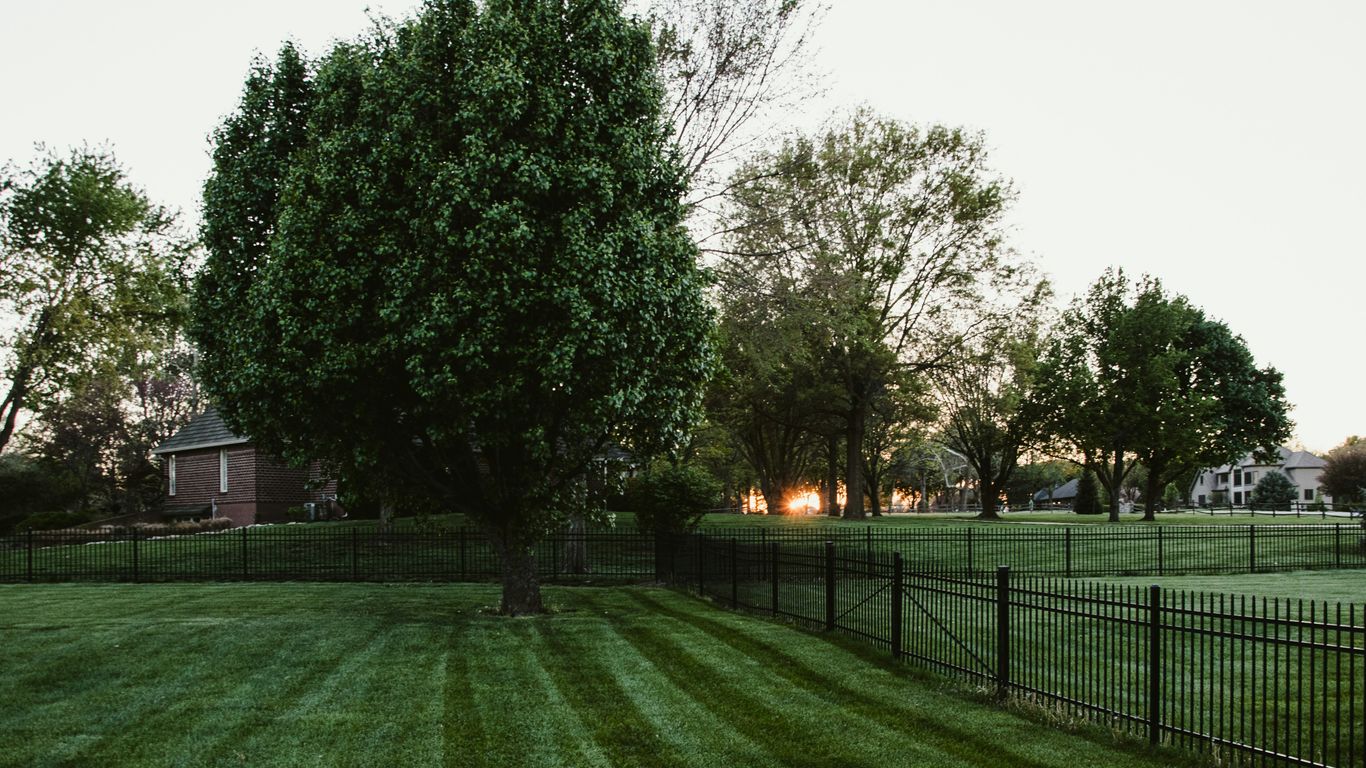
Typical price range for a standard residential tree
A healthy, accessible tree with room for controlled felling often sits near the lower end of the range. A taller tree that must be climbed, cut in sections, and hauled away usually lands higher. We price the work after seeing the tree, the landing area, and the route for equipment and debris.
For local context, our Tree Removal service covers residential and commercial work, with full cleanup and haul-away available as part of the estimate. The written number should make clear what is included rather than leaving disposal as a surprise.
Small, medium, and large tree removal examples
A small tree in an open backyard may cost about $450 to $750. A medium red maple, pine, or spruce near a house often falls around $750 to $1,500. Large mature oaks, trees with heavy limbs, and removals requiring extensive rigging can move beyond that range.
These are budgeting examples, not a promise for a particular tree. The trunk and canopy tell only part of the story. The crew also needs to see where each section can go and how it will leave the property.
Why a straightforward backyard tree costs less
A backyard tree costs less when the crew can reach it easily, fell it into a clear area, and load the wood without crossing delicate landscaping. A short carry from the stump to the truck saves labor. Open space also lets us use simpler cutting and lowering methods.
Easy access reduces handling time. That does not mean the tree is simple to cut, but it can remove several costly steps from the job. A free written estimate is the best way to confirm the actual scope.
How the Haverhill property affects the estimate
Haverhill has older neighborhoods, rural parcels, narrow driveways, and mature canopies that have been left alone for decades. A colonial-era lot may have a large tree squeezed between a house, fence, and neighboring property. Glacial till can also make equipment positioning and ground conditions worth a close look.
We also account for the driveway surface, gates, overhead clearance, nearby gardens, and the distance to the loading area. A property page for Haverhill tree removal can provide local service context, but the quote still needs an on-site inspection.
How tree size and condition change the price
Size sets the basic amount of wood, brush, climbing, cutting, and hauling. Condition changes the level of control needed to bring that material down. A tree with hidden weakness may require a slower plan even if it looks modest from the street.
Trunk diameter, height, and canopy spread
Height affects climbing and lowering distance. Trunk diameter affects the number and weight of sections. A broad canopy can reach over several target areas, so the crew may need more rigging, more cuts, and more cleanup time.
A tall white pine in an open field is not priced the same as a tall pine over a garage. We measure the working space as well as the tree itself. That is why a photo-only quote can miss the real labor.
Leaning, dead, split, or storm-damaged trees
A leaning tree may have its weight committed toward a roof, road, or neighbor’s yard. Dead wood can break without warning, while split trunks and storm damage can leave unstable pieces above the work area. We inspect the structure on site and choose a removal method that matches the condition.
Storm-damaged work may also involve blocked driveways, broken limbs, or access needed before normal scheduling. We do not treat an urgent tree as a routine drop. The site has to be made workable first.
Multiple trees removed during one visit
Removing several trees can make the overall visit more efficient because equipment, crew travel, staging, and hauling are organized together. It does not automatically create a fixed discount. Large combined debris volume may require additional trucks, processing, or time on site.
For a group of trees, we separate the scope by location and condition. That gives the property owner a clearer choice if some trees can wait and others need immediate attention.
Red oak, white oak, maple, pine, and spruce considerations
Species affect weight, branching, wood handling, and canopy form. Red and white oak can produce heavy sections. Sugar and red maple may have broad, spreading crowns. White pine often carries long limbs, while Norway spruce and eastern hemlock can create dense, awkward canopies.
| Tree type | Pricing concern | Common planning issue |
|---|---|---|
| Red or white oak | Heavy wood and large sections | Space for lowering and loading |
| Sugar or red maple | Broad canopy and limb spread | Multiple target areas below |
| White pine | Height and long limbs | Overhead clearance |
| Norway spruce | Dense branches and narrow access | Rigging visibility and staging |
The species name helps us prepare, but it does not set the final price by itself. Location, condition, and the amount of material leaving the property still control the estimate.
What makes difficult Haverhill removals more expensive
Difficult removals cost more because the crew cannot simply cut and let the wood fall. Sections may need to be climbed, tied, lifted, lowered, processed, and carried through a narrow route. The more targets around the tree, the more deliberate each cut becomes.
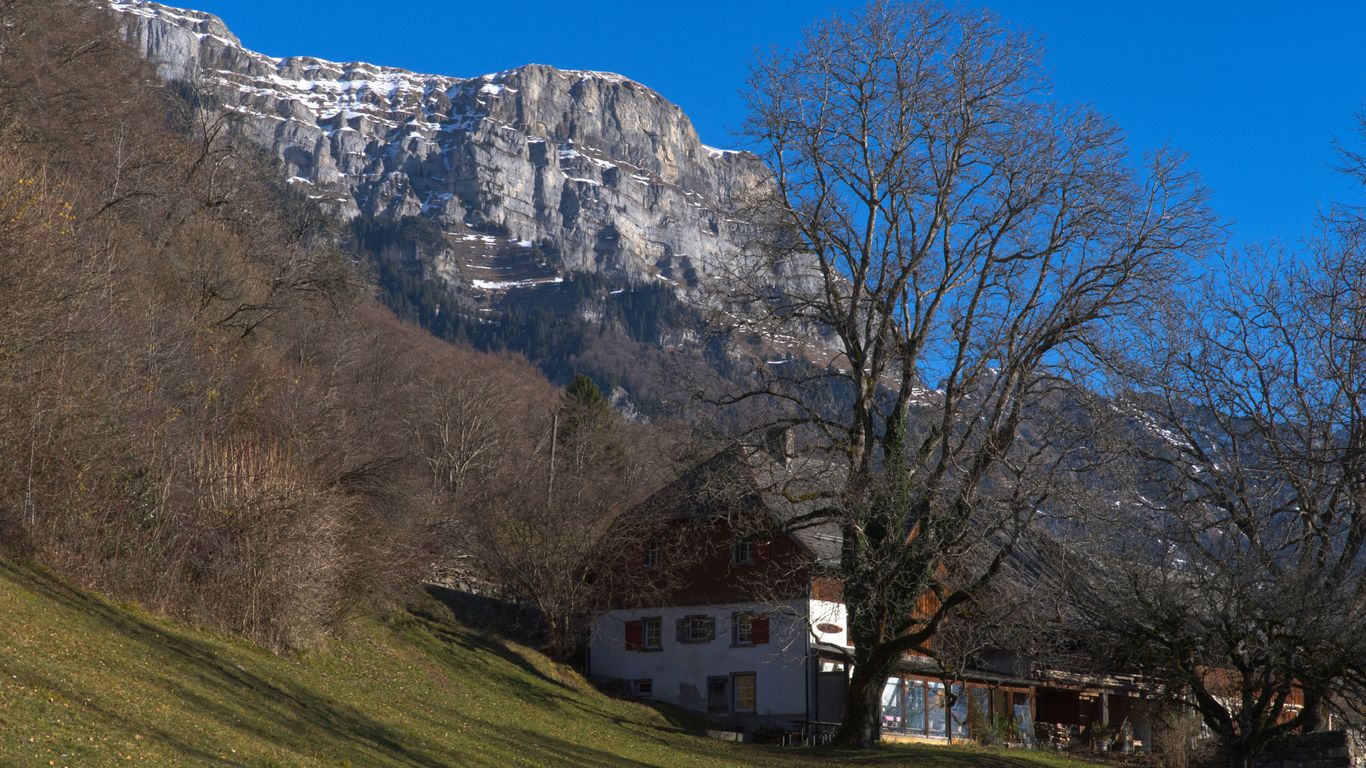
Trees over roofs, driveways, garages, and power lines
A tree over a roof needs controlled removal, not a casual felling cut. Driveways and garages also limit the landing area, while utility lines require careful coordination and safe working distances. We inspect the tree’s lean, the canopy, and every place a branch or log could travel.
The estimate may include rigging, sectional dismantling, extra ground labor, or a crane. Utility-owned lines may also require the property owner to contact the utility before work begins. We do not assume a line can be moved or protected by the tree crew.
Tight access, narrow driveways, and thick understory
Rural Haverhill parcels often have narrow driveways and thick understory. A truck may not reach the stump, or a gate may be too small for the equipment needed for a large removal. In that case, the crew carries or processes material in smaller sections.
The access plan usually looks at:
- Gate width and driveway turning space
- Overhead branches and wires along the equipment route
- Ground firmness near the stump and staging area
- Distance from the tree to the truck or chipper
These details explain why two trees with similar height can receive very different estimates. The work is priced around the actual route, not just the trunk measurement.
Wet spring soil, glacial till, and limited equipment access
Wet spring soil can limit where a truck or lift may stand. Glacial till and uneven ground can make setup slower and may rule out certain equipment positions. We look for a stable place to stage before planning how to move the wood.
A practical estimate accounts for mats, hand carrying, extra processing, or a different removal sequence when access is limited. Waiting for firmer ground may reduce property disturbance, but urgent hazards should not be left unattended without an on-site recommendation.
Trees near septic systems, pools, wetlands, or conservation buffers
A septic field, pool, or wetland buffer leaves little room for dropped wood. It also changes where equipment can sit. On these lots, the goal is to keep sections controlled from the cut to the landing area and avoid unnecessary traffic across sensitive ground.
Haverhill properties near wetlands or conservation areas may have local rules that affect timing or approval. We can flag the question during the estimate, but the owner should confirm current permit and conservation requirements with the City of Haverhill or the appropriate town office.
When crane tree removal is worth the added cost
Crane work costs more than a basic removal, but it can reduce contact with the yard and structures. Massachusetts crane removals commonly range from $2,000 to $15,000 or more. The right question is not simply what the crane costs, but what damage and labor it may avoid.
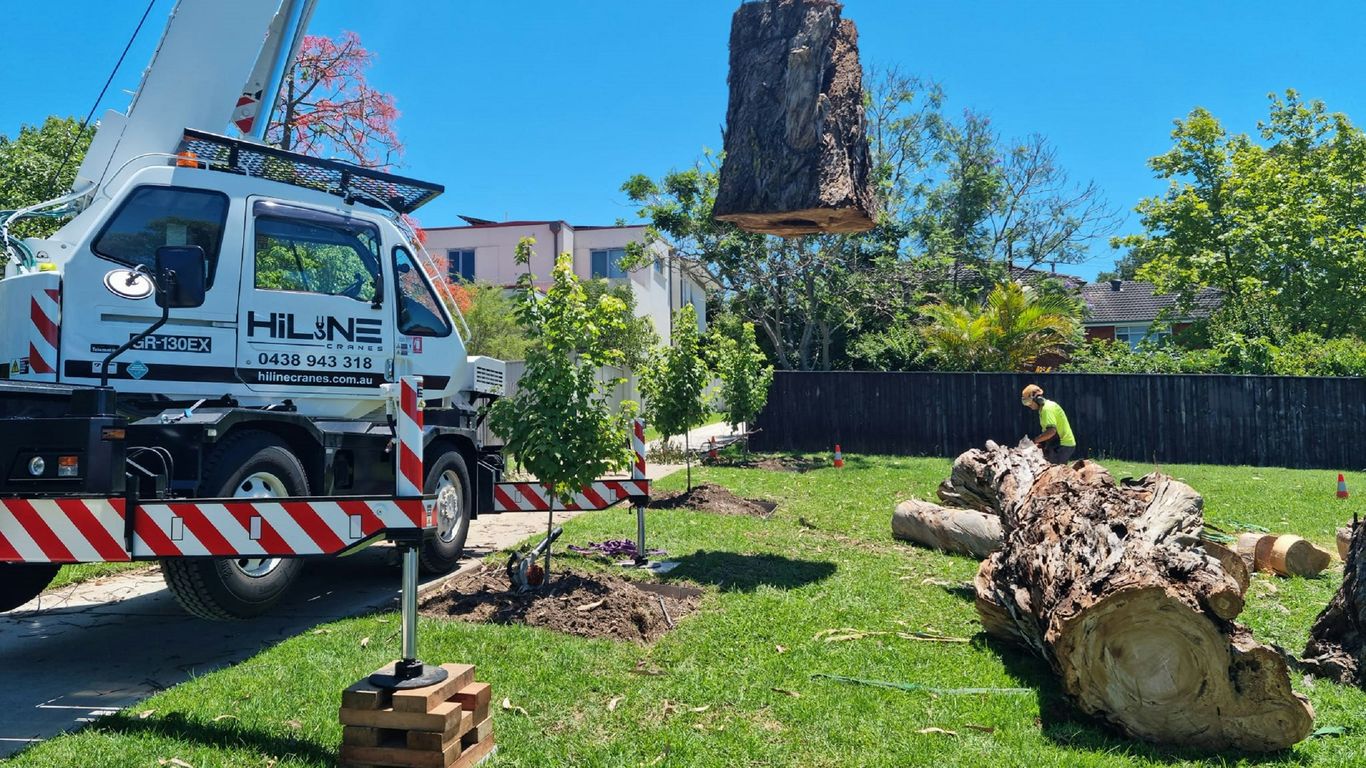
How crane removal protects the yard and structures
A climber lowering wood through the canopy eventually brings each section toward the ground. With a crane, the wood is lifted away, so it never touches the yard. That matters over a roof, pool, septic system, stone wall, or landscape that cannot take repeated impacts.
Our Crane Service is suited to removals where lifting sections out gives the crew more control. The crane does not remove the need for careful cutting. It changes how the cut material travels.
Why cranes help on tight Haverhill lots
Tight Haverhill lots may not offer a safe drop zone. A crane can stage from a street, driveway, or other suitable position and lift sections over obstacles when the site allows it. The distance from the crane to the tree, setup location, tree weight, and available landing area all affect the plan.
A crane can also shorten a long dismantling job. A tree that might take a climber dozens of cuts may be completed much faster when sections can be picked and placed directly for processing. Faster does not mean rushed. It means fewer pieces have to be lowered through the canopy.
Crane removal pricing from $2,000 to $15,000 or more
The published Massachusetts range for crane tree removal is $2,000 to $15,000 and up, with many residential jobs falling between $3,500 and $8,000. The estimate should identify the crane, operator, crew, rigging, cutting, wood processing, chipping, hauling, and cleanup.
A small crane setup with easy staging may sit near the lower end. A very large tree, a long reach, difficult traffic control, or a complicated landing plan can push the price well above it. The written quote should show which of those elements applies.
When a climber and rigging setup may be sufficient
A climber and standard rigging may be enough when the tree has sound structure, there is a usable landing zone, and the crew can lower pieces without crossing a roof, pool, septic field, or delicate landscape. It can be a sensible way to avoid crane cost when the site offers room.
We compare the two methods on site. A lower equipment price is not useful if it creates more handling, more ground exposure, or a less controlled removal.
Which services are included in the tree removal estimate
A tree removal estimate should describe the whole job, not just the cutting. Ask how the crew will lower or place the wood, what happens to brush and logs, and how the site will look at departure. Clear scope prevents disagreements after the tree is down.
Cutting, lowering, loading, and haul-away
Most estimates should identify cutting, lowering, loading, and haul-away when those services are requested. Full cleanup and haul-away may include brush, logs, and chips, but the quote should say so plainly. A large amount of wood can change the number of loads and the time required.
We also note whether the crew will leave firewood on site, cut logs to a requested length, or remove everything. Those choices affect handling and disposal.
Stump removal as a separate service
Stump removal is usually a separate line item from tree removal. Cutting the trunk to ground level does not remove the root crown or the remaining stump. Grinding or excavation requires different equipment and creates its own chips or soil work.
If you want the area replanted, paved, or used for construction, tell the crew before the estimate is finalized. The right stump plan depends on the intended use of the ground.
Brush cleanup, log disposal, and firewood decisions
Brush can be chipped, hauled, or left stacked if the property owner requests it. Logs may be hauled away or kept for firewood. We include those decisions in the written scope so the final cleanup matches the plan.
A quote should answer four practical questions before work starts:
- Is brush chipping included?
- Are logs hauled away or left on site?
- Are chips removed or spread in a designated area?
- Is raking and final cleanup included?
Once those items are clear, the price is easier to compare. The cheapest cutting number may not be the lowest complete-job price if hauling and cleanup are added later.
Land clearing for multiple trees or an overgrown parcel
Land clearing covers a broader scope than taking down one tree. It may involve multiple trees, brush, and an overgrown parcel where the owner needs usable space restored. Access, debris volume, grading needs, and the number of stems all shape the estimate.
Our Land Clearing service is available for this type of larger property work. We still separate tree removal, stump work, and any additional ground work so the written scope stays readable.
How emergency and seasonal timing affect the price
A scheduled removal gives us time to plan crew, equipment, traffic, and disposal. Emergency work starts with an active hazard, blocked access, or damaged structure. The price reflects the urgency and the extra coordination, not simply the fact that the calendar changed.
Emergency removal after nor’easters, ice, or coastal wind
Nor’easters and coastal wind can split limbs, uproot trees, and leave trunks leaning toward homes or driveways. Ice loading adds weight to already weak branches. Near the Haverhill area, storms can also create several blocked routes at once.
Our Emergency Services respond to urgent tree conditions. First we identify immediate hazards and establish a workable area. Complete removal may happen at once, or the first visit may stabilize the situation before the remaining work is scheduled.
Dead and hazardous trees before storm season
A dead tree beside a house is easier to plan before a storm than after one. Decay, dead limbs, cracks, and root problems can make a tree more unpredictable, but the final recommendation belongs to the on-site assessment. Early planning also gives more choices for equipment and timing.
We can inspect the tree and explain whether removal, trimming, or preservation work is appropriate for the observed condition. Do not climb or cut a hazardous tree yourself to save the estimate fee.
Wet ground and spring scheduling concerns
Spring brings saturated soil, muddy driveways, and limited staging areas. Heavy equipment can rut a lawn or become difficult to move. We may need to adjust the sequence, use a different access point, or schedule work after the ground firms up when the tree is not an immediate hazard.
The condition of the ground belongs in the quote. A careful schedule can protect the property, but a dangerous tree should be evaluated promptly rather than ignored until the weather improves.
Why winter access can help on some properties
Frozen ground can make certain yards easier to access, especially where summer soil stays soft. Leafless canopies can also improve visibility around limbs and structures. Winter is not automatically the cheapest season, though, since snow, ice, and short daylight can slow the work.
We look at the actual driveway, ground, and tree before recommending a season. The best timing is the one that provides safe access and a manageable work area.
How to get an accurate tree removal quote in Haverhill
Start with an on-site estimate, not a guess based on height alone. A good quote explains the removal method, access plan, disposal, cleanup, stump work, and any conditions that could change the scope. It should also give you a clear next step.
What the crew needs to inspect on site
We inspect the trunk, root flare, canopy, lean, deadwood, cracks, nearby structures, utility lines, and the likely landing areas. We also check gates, driveway width, overhead clearance, slope, septic markers, pools, fences, and the path for brush and logs.
Bring up anything hidden or unusual, such as buried irrigation, a private wire, a fragile retaining wall, or a septic system location. The more complete the site information, the more useful the estimate will be.
Questions about permits, wetlands, and local rules
Ask if the tree is on private property, near a public right-of-way, or inside an area covered by local conservation rules. Wetlands and conservation buffers are common concerns across Essex County. Haverhill requirements can change, so confirm current rules with the city before scheduling work.
The crew can identify a possible permitting question during the inspection. The property owner remains responsible for confirming approvals with the appropriate local office.
Details to include when requesting a written estimate
Tell the estimator the tree’s location, approximate size, condition, access limits, and what you want done with the wood. Mention roof, garage, pool, septic, utility, fence, and wetland concerns before the visit. Photos help with scheduling, but they do not replace an inspection.
Ask the written estimate to identify:
- The tree or trees included in the scope
- The planned removal method and equipment
- Brush, log, chip, and haul-away arrangements
- Cleanup and stump work, including separate pricing
Read the exclusions as closely as the price. A clear estimate lets us compare the same work across proposals instead of comparing one cutting fee with another company’s complete service.
Comparing licensed, bonded, and insured tree companies
Check that the company is licensed, bonded, and insured, and ask for a written scope rather than a verbal number. ISA certification and a track record of controlled removals are useful signs that the crew understands tree structure and site hazards. Confirm who handles permits, cleanup, hauling, and unexpected conditions.
We are fully licensed, bonded, and insured, and we provide free written estimates for residential and commercial work. When you are ready, request an estimate with the tree location and the main access concern.
A practical price for the next step
For most Haverhill homeowners, $450 to $1,500 is a sensible starting budget for one accessible residential tree, while large, hazardous, restricted, and crane-assisted work can reach several thousand dollars or more. The next practical step is an on-site inspection that turns the tree, property, removal method, and cleanup plan into one written number.
Frequently Asked Questions
How much does it cost to remove a tree in Haverhill, MA?
A straightforward residential removal commonly falls between $450 and $1,500. Large trees, difficult access, structural hazards, storm damage, and extra hauling can raise the total.
Does tree height affect the removal price?
Yes. Greater height usually means more climbing, cutting, lowering, and cleanup. Canopy spread and nearby structures can matter just as much as the height.
Is stump removal included in tree removal?
Usually not. Stump removal or grinding is commonly priced separately because it requires different equipment and creates additional chips or soil work.
How much does crane tree removal cost in Massachusetts?
Crane tree removal commonly ranges from $2,000 to $15,000 or more. Setup location, reach, tree weight, crew size, cutting, hauling, and cleanup all contribute to the estimate.
Can a tree near a septic system be removed safely?
It can often be removed with a carefully selected method, but the crew must inspect the site first. A crane or controlled rigging plan may help keep sections away from the septic area.
Does emergency tree removal cost more?
It can. Emergency work may require rapid scheduling, altered crew logistics, difficult storm conditions, and immediate hazard control. The scope should be explained before work proceeds when conditions allow.
Do I need a permit to remove a tree in Haverhill?
Some properties and locations may be subject to city, public shade tree, wetland, or conservation rules. Confirm current requirements with Haverhill officials before scheduling removal.