

Key Takeaways
A clear estimate and a written payment agreement make a stressful removal easier to plan. Before borrowing, check the scope, insurance questions and local requirements.
- Get the tree, work, cleanup and stump details in writing.
- Compare the full payment terms, not only the monthly amount.
- Ask about storm coverage before paying for emergency work yourself.
- Confirm property boundaries, utility hazards and town rules.
- Keep signed agreements, invoices, photos and proof of payment.
Get a written estimate before choosing how to pay
For a straightforward tree removal in northeastern Massachusetts, published ranges are about $450 to $1,500; crane-assisted work can run about $2,000 to $15,000 or more. Common ways to pay include methods accepted by the contractor or a loan or credit product you arrange separately. The tree, access, hazards and written scope help you compare the amount you will actually owe.
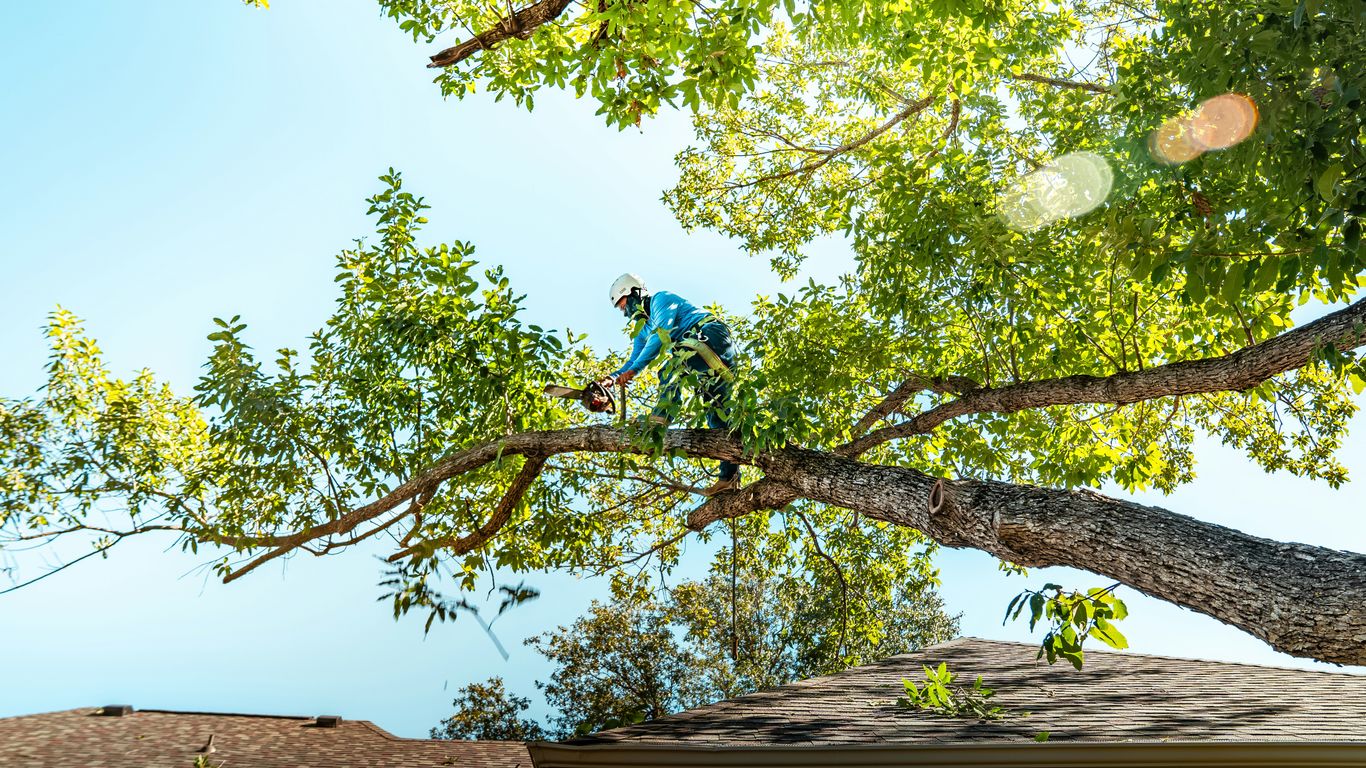
Confirm which tree and work the price covers
Make sure the estimate identifies the tree by location and describes the planned work. If more than one tree is involved, ask the crew to list each one separately so there is no confusion about what is included. For a local pricing reference, see tree removal costs in Haverhill, then compare the actual scope on your property.
Check whether cleanup, hauling and stump removal are included
A removal price may not cover every task you have in mind. Ask whether the crew will haul away the wood and brush, rake the work area, or grind and remove the stump. At Arbor Tree Service, we provide free written estimates, so ask us to spell out cleanup and stump work rather than treating those details as assumed.
Ask how crane access or difficult site conditions affect the estimate
A narrow driveway, nearby buildings, a pool or a septic system can change the work plan and the equipment needed. Ask whether crane access, staging space and any restrictions on where equipment can sit are reflected in the price. Our crane service is one option for difficult removals; crane removal costs in Massachusetts offer a broader price reference.
Compare written scopes, not just bottom-line prices
Two estimates may show different totals because the crews are proposing different work. Read the scope side by side and write down any item that is unclear before you agree to a date. A short comparison helps keep these details visible:
- Which tree or trees are included.
- Whether hauling and cleanup are included.
- Whether stump work is included or priced separately.
- What site conditions or added work could change the price.
Use the list to compare equivalent work, not to assume every crew uses the same plan. For another local benchmark, tree removal prices in Georgetown describe a different Massachusetts market example.
Compare ways to pay the tree removal bill
Once the estimate is clear, ask how the contractor expects payment and when each amount is due. Do not assume that a company accepts a particular card, check or payment app. A payment schedule should be written down before work begins, especially if the removal is urgent or the invoice is being paid by someone else.
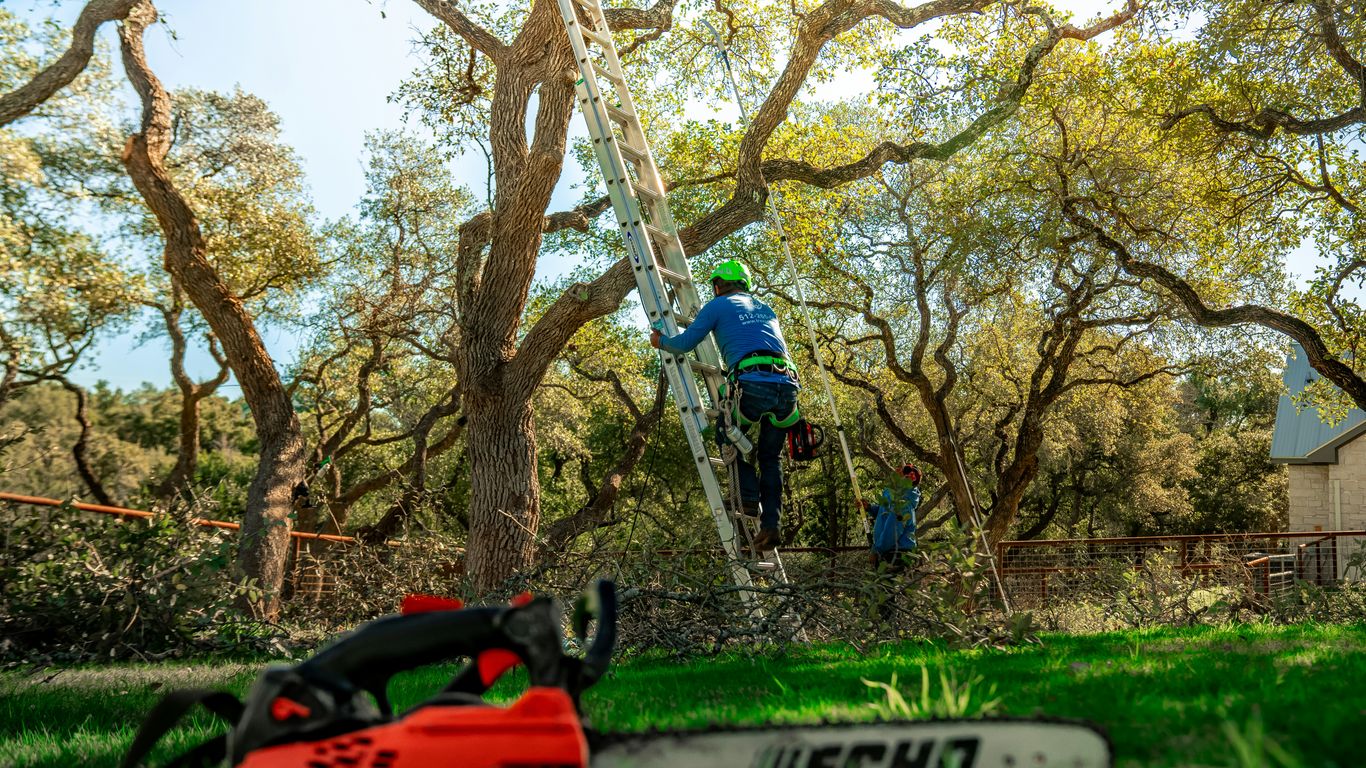
Ask which payment methods the company accepts
Call or email to confirm accepted payment types before the crew arrives. Some companies may accept checks or cards, while others may have different arrangements; get the answer directly rather than planning around an unverified option. If you need to use a financing product, clarify whether you arrange it yourself or the contractor has a lender relationship.
Check whether a deposit is required and when the balance is due
Ask whether there is a deposit, how it is paid and when the remaining balance becomes due. Put the amount and timing in the contract or estimate, not just in a text message or phone conversation. If the work is scheduled in stages, ask whether payment is due after each stage or only when the agreed scope is complete.
Match the payment schedule to the work being completed
The schedule should make sense for the job. A small removal may have one payment due after completion, while a larger project may use a deposit and a final balance. Ask what event triggers each payment, then check that the written terms match what the crew plans to do.
Keep the estimate, invoice and proof of payment
Save the estimate and the final invoice together, including any written changes to the original scope. Keep a receipt or other proof for every payment, and note the date and amount. These records can help you resolve a billing question later or provide a clear paper trail if an insurer asks about the work.
Evaluate tree removal financing options
Tree removal financing can spread a large bill over time, but the total cost may be higher than paying upfront. Compare any loan or credit offer against your budget and the written estimate, not against a rough price from a phone call. We do not assume a particular contractor offers financing, so ask who provides the loan and who is responsible for the work contract.

Ask whether the contractor offers financing or works with a lender
Ask the contractor directly whether financing is available through the company or a separate lender. If a lender is involved, request the lender’s written terms and confirm whether the financing agreement is separate from your agreement for tree work. Online financing options for tree removal can provide general comparison points, but verify all terms with the lender before applying.
Compare a personal loan with a home equity loan or line of credit
A personal loan may offer a set repayment schedule, while a home equity loan or line of credit uses your home as collateral. Compare payment amount, fees, repayment period and the consequences of missing a payment. With home equity borrowing, consider carefully that the home secures the debt.
Weigh credit card convenience against interest and fees
A credit card may be convenient if the contractor accepts it, but interest and transaction fees can affect the final cost. Check the card’s current rate and whether you can pay the balance by the due date. Do not treat a promotional rate as lasting beyond its stated terms.
Compare the annual percentage rate, repayment term and total cost
The monthly payment alone does not tell you what the loan will cost. Compare the annual percentage rate, the length of repayment and the total amount due, including fees. This simple view can help you compare offers on the same basis:
| Payment option | What to compare | Question to ask |
|---|---|---|
| Personal loan | APR, fees and term | Is the payment fixed for the full term? |
| Home equity loan | APR, closing costs and term | Is my home collateral for this debt? |
| Home equity line of credit | Rate changes and draw terms | Can the rate or payment change? |
| Credit card | Purchase APR and fees | When does interest begin? |
Use the written disclosures to check each row, because lenders may structure offers differently. A lower monthly payment can mean a longer repayment period and a higher overall cost.
Check for deferred-interest deadlines and late-payment charges
If an offer advertises deferred interest, find the exact deadline and what happens if the balance is not paid by then. Ask how late fees are calculated and whether a missed payment changes the rate. Keep a copy of the financing terms, separate from the tree work estimate, so you can review both agreements.
Check insurance and emergency costs before borrowing
Before you borrow to pay for storm damage, call your insurer and ask what your policy may cover. Coverage is not guaranteed, and the tree’s condition and where it landed can matter to a claim. Photograph the scene and keep the estimate, but do not delay urgent steps needed to address an immediate hazard.

Find out whether your homeowners policy may cover storm damage
Ask your insurer whether the event and the damage described may be covered, and what documentation it needs. Do not treat a contractor’s estimate as a coverage decision. Our guide to tree removal and homeowners insurance explains common claim questions to raise with your insurer.
Separate damage from a covered event from routine tree maintenance
A tree that has fallen or been damaged in a storm is different from routine maintenance on a tree that is declining or overgrown. Ask the insurer how it classifies the situation before assuming that removal or cleanup will be reimbursed. For planned maintenance, budget for the work as a separate household expense unless your insurer tells you otherwise.
Photograph damage and keep the estimate for the insurer
Take clear photos from a safe distance before cleanup, including the tree, affected structures and surrounding area. Save the estimate, invoice and any messages about the work. These records can support your discussion with the insurer, though they do not guarantee payment of a claim.
Ask what emergency service includes and when payment is due
Emergency work may involve making a hazard safe or removing a tree or limb, but ask the crew to state exactly what the quoted service includes. Confirm the payment deadline and whether later cleanup or stump work is a separate charge. Arbor Tree Service provides 24/7 emergency response; for an active threat to power lines, contact the utility rather than approaching the tree.
Verify responsibility and local requirements in Massachusetts
Before scheduling removal, confirm who owns the tree and whether any local approval is required. Public land, property boundaries, wetlands and conservation restrictions can change who may authorize work or when it can proceed. Rules vary by town, so verify the details with the local office before signing a contract.
Confirm whether the tree is on your property or public land
Check the property line and identify whether the trunk is on your parcel, a neighbor’s land or public land. If the boundary is unclear, do not assume that paying for the work gives you permission to remove the tree. Ask the relevant owner or public authority who must approve the work.
Contact the utility if a tree or limb threatens power lines
Stay away from a tree or limb touching or close to a power line. Contact the utility to report the hazard and follow its direction; do not try to move branches yourself. The utility can advise on the appropriate response for its equipment and the location.
Ask the town about permits or rules for protected trees
Some Massachusetts towns regulate tree removal, and protected trees may have additional requirements. Ask the town whether a permit or other approval applies to your specific property and planned work. Our Massachusetts tree permit guide is a useful starting point, but confirm current requirements with the town.
Check whether wetland or conservation restrictions affect the work
Work near wetlands or conservation land may be subject to local review or restrictions. Tell the contractor what you know about the property and ask which approvals need to be confirmed before work starts. Do not rely on a general answer for another town or parcel.
Ask these questions before signing or paying
A short review before signing can prevent disputes about price, timing and responsibility. Ask for direct answers, then make sure the important terms appear in the written agreement. Keep the estimate and financing paperwork separate if they come from different parties.
Is the total price fixed, and what could change it?
Ask whether the total price is fixed for the described scope and what conditions could add cost. The contract should explain how extra work is approved and priced before it is performed. If the scope changes, request the revised amount in writing.
What deposit, cancellation and refund terms apply?
Ask how much is due upfront, when it is due and what happens if you cancel or reschedule. Check the contract for any cancellation charges and the terms for returning a deposit. Do not rely on an informal promise that is not reflected in the written terms.
Who handles permits, cleanup and damage documentation?
Confirm who will check local approvals, haul away debris and provide paperwork describing the work. If an insurer needs photos or an invoice, ask who can supply those records and when. Make sure the agreement identifies any cleanup or stump service that is excluded.
Is the financing agreement separate from the tree work contract?
Ask who the lender is and whether your loan agreement is separate from the contractor’s scope and payment terms. Read both documents, including how disputes, cancellations and missed payments are handled. A lender’s approval does not replace a clear description of the tree work.
What happens if the lender declines the application?
Ask whether the work can proceed using another payment method and whether any deposit or scheduled date changes. Get the answer before authorizing the job, particularly for non-emergency work. If the tree presents an immediate hazard, ask about safe next steps while you confirm payment arrangements.
Conclusion
Compare written scopes, confirm payment terms and check insurance and local rules before committing; when you are ready to discuss the work, request an estimate and keep the agreement and payment records together.
Frequently Asked Questions
Can I finance tree removal?
Possibly, through a lender, personal loan, home equity product or credit card, but availability and terms vary. Confirm the APR, fees, repayment schedule and total cost before agreeing.
How much does tree removal cost in Massachusetts?
Published northeastern Massachusetts ranges are about $450 to $1,500 for straightforward removal and about $2,000 to $15,000 or more for crane-assisted work. Site access, tree size and the written scope can move an estimate within or beyond those ranges.
Should I pay a deposit for tree removal?
Ask the contractor whether a deposit is required and get the amount, due date and cancellation terms in writing. Do not assume every company uses the same schedule.
Does homeowners insurance pay for tree removal?
A policy may cover some storm-related situations, but coverage is not guaranteed. Ask your insurer about your specific event and document the damage before cleanup when it is safe to do so.
Is stump removal usually included in the tree removal price?
Not necessarily. Ask whether stump grinding or removal is included, listed separately or excluded from the estimate.
Do I need a permit to remove a tree in Massachusetts?
Some towns regulate tree removal, and wetland or conservation restrictions may apply. Contact the town about your property and planned work before scheduling.
What should I keep after paying for tree work?
Keep the written estimate, signed contract, any scope changes, final invoice and proof of payment. If storm damage is involved, save photos and insurer correspondence as well.