

Key Takeaways
For tree removal in Beverly, MA, straightforward jobs commonly land near $450 to $1,500, while difficult crane-assisted removals can reach $15,000 or more. Use these figures to plan, then compare written estimates for the actual work and cleanup.
- A simple removal can be near $450 to $1,500; complex crane-assisted work can range from $2,000 to $15,000+.
- Tree size, condition, access, and nearby structures shape the work plan and price.
- Crane access can help keep heavy wood off a lawn or away from a pool, septic system, or house.
- Ask whether hauling, stump work, and property protection are included in the estimate.
- Check with the town before work near wetlands or other regulated areas.
Tree removal in Beverly can cost from $450 to $15,000+
For tree removal in Beverly, MA, a straightforward job commonly falls near $450 to $1,500, while a large or difficult crane-assisted removal can cost $2,000 to $15,000+. Those are useful 2026 planning ranges, not a fixed price for a particular property. The final estimate reflects the tree, the work area, and what you want done with the wood and debris.
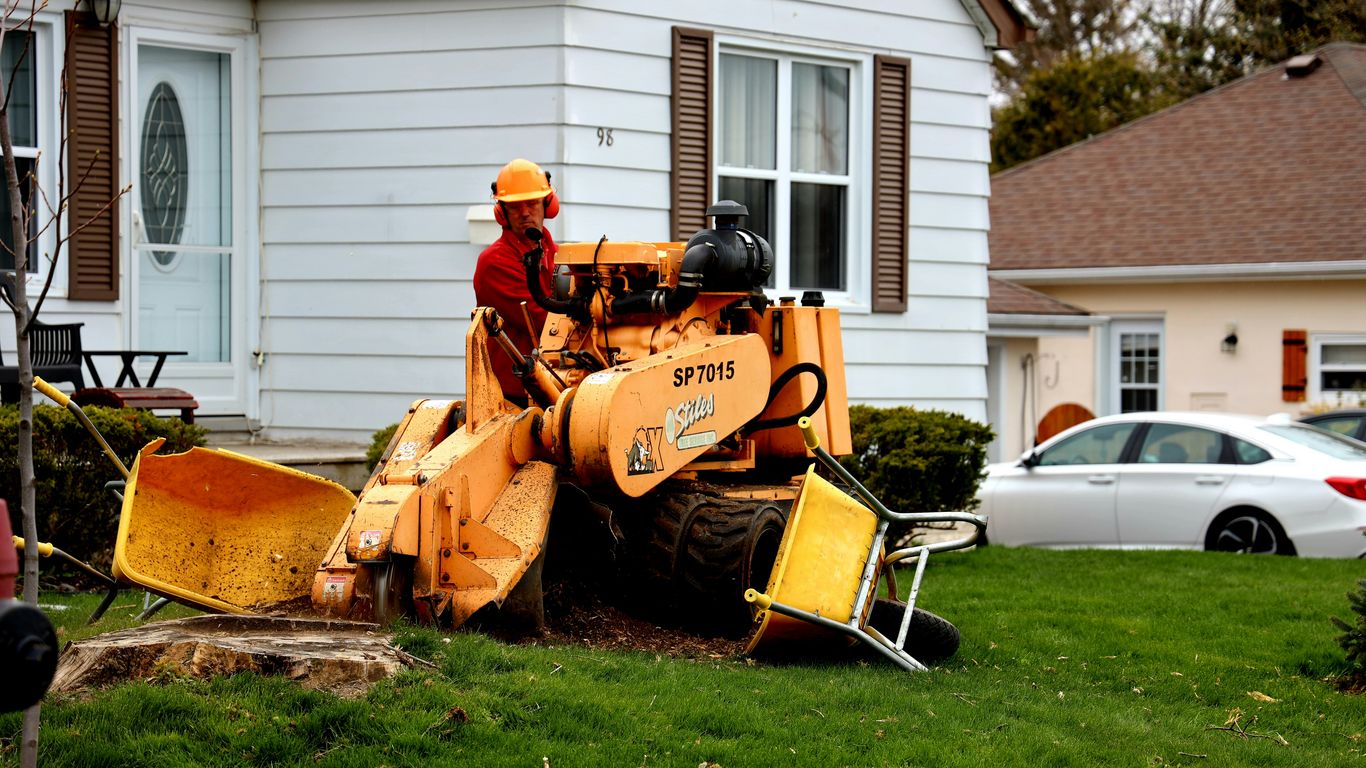
Straightforward removals can fall near the $450 to $1,500 benchmark
A smaller tree with clear access and room to lower branches is closer to the straightforward end of the range. A larger trunk, more brush, or added hauling can push the job higher. For a Beverly property, our Tree Removal service handles hazardous, storm-damaged, or overgrown trees, with property protection and debris cleanup as part of the work described on that page.
Here is a quick way to read the published ranges alongside the job type:
| Job type | Planning range | What usually makes it different |
|---|---|---|
| Straightforward removal | $450–$1,500 | Clear access and a manageable work area |
| Crane-assisted removal | $2,000–$15,000+ | Crane setup, rigging, and difficult placement |
| On-site estimate | Set after assessment | Tree, access, work scope, and cleanup details |
These are broad market figures for northeastern Massachusetts, not a quote. A written estimate should spell out the planned work rather than leave you to infer what each range covers.
Crane-assisted removals can range from $2,000 to $15,000+
Crane work is usually considered when a tree is large, hard to reach, or positioned where a conventional drop could damage property. The crane can lift sections away instead of sending heavy wood down through the canopy onto the ground you are trying to protect. That approach can be useful on tight Beverly lots, particularly near a roof, pool, or septic area.
Our Crane Service page describes crane-assisted tree removal and the work that may go into it. Crane setup location and the distance to the tree affect the plan, so the estimate should account for both the crane and the crew’s work.
Treat these figures as planning ranges, not a fixed Beverly quote
A published range helps set a budget, but it cannot show whether a crew can stage equipment in your driveway or where the branches can safely come down. If you are comparing tree removal beverly ma prices, ask for an on-site assessment and a written scope. Our Georgetown price guide offers a nearby comparison, but its estimates are not a substitute for a Beverly assessment.
Tree size and condition drive much of the price
A big tree carries more wood and usually takes more controlled work to dismantle. Condition matters too: a sound tree and one with damaged or unstable limbs may call for different handling. On site, we look at the tree as a whole and consider how its size and condition affect the work plan.
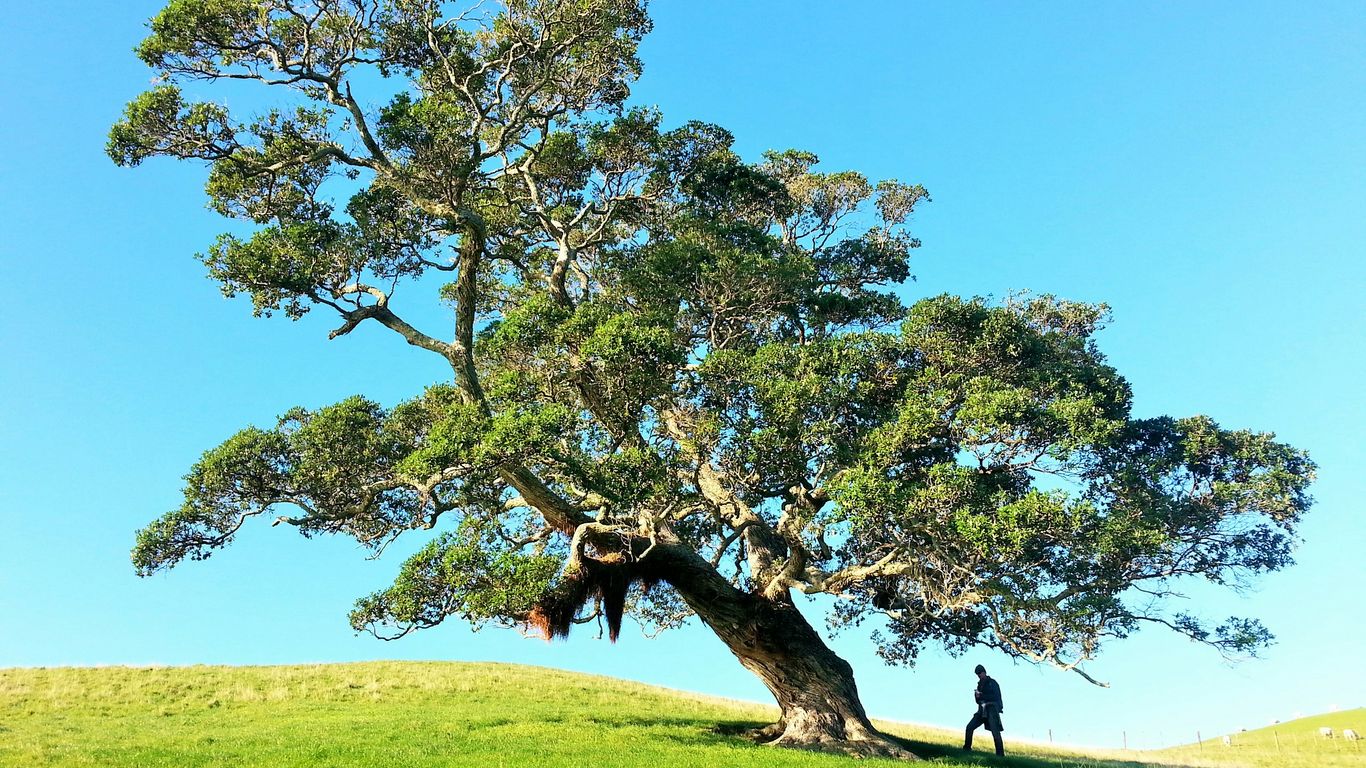
Larger trunks and heavier limbs take more time and equipment
A thick trunk and long, heavy limbs can add cutting, handling, and cleanup work. Species such as oak, maple, and white pine are common in this region, but the estimate should focus on the actual tree and its position, not just its name. More wood to process can mean more time spent moving and clearing material from the property.
Dead, storm-damaged, or unstable trees can require controlled rigging
Dead or storm-damaged sections may not behave like sound wood, and a compromised tree can be unpredictable during removal. A crew may need to secure and lower pieces in a controlled way rather than let them fall freely. The method is selected after an on-site look at the tree and surrounding hazards.
Multiple trees may change the crew, equipment, and cleanup scope
When several trees are on the list, the estimate should make clear whether they are all included and how debris will be handled. A grouped job can call for a different work sequence or equipment plan than a single removal. Before approving the work, make sure the written scope names each tree and the cleanup expected for each area.
Access and nearby obstacles can raise the cost
A tree may be easy to see from the street and still be difficult to reach with equipment. Fences, narrow drives, buildings, and soft ground can limit where the crew can work. The closer the tree is to something that must stay intact, the more carefully the removal method needs to be planned.
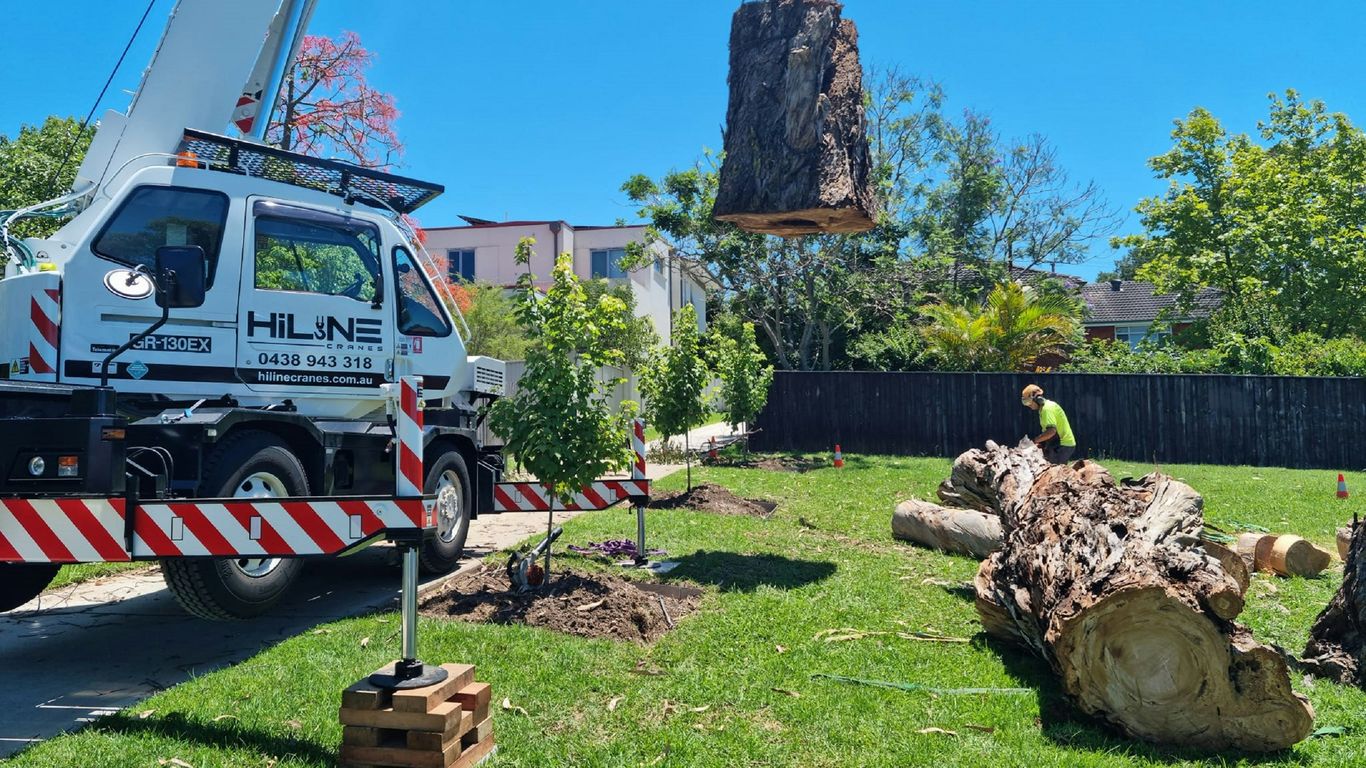
Narrow driveways and tight Beverly lots can limit equipment access
Older lots and narrow driveways may leave little room to bring equipment close to the tree. The crew may need to work from a different position or use a method suited to limited access. If a crane is considered, where it can set up and reach the tree becomes part of the estimate.
Trees over houses, pools, septic systems, or landscaping need careful planning
Branches and trunk sections cannot simply be dropped where they land if a roof, pool, septic system, or valued landscaping is below. The crew has to account for what is under and around the canopy before choosing how to remove each section. Our Crane Service can lift wood away from vulnerable areas, so it does not have to pass down through the canopy onto the yard.
Crane access can keep heavy wood off the yard and shorten difficult jobs
When a crane can reach the tree, sections can be lifted clear rather than lowered through a tight canopy onto the ground below. That can help protect lawns and reduce the disruption on a constrained site. Arbor Tree Service provides crane service for tree removal; the on-site plan determines whether it fits the property and the job.
Beverly’s site conditions can affect the estimate
Beverly properties range from older lots with mature trees to coastal sites exposed to wind and salt. Wet ground can also limit where heavy equipment can travel. Those local conditions can change the access plan, so it is useful to mention them when requesting an estimate.
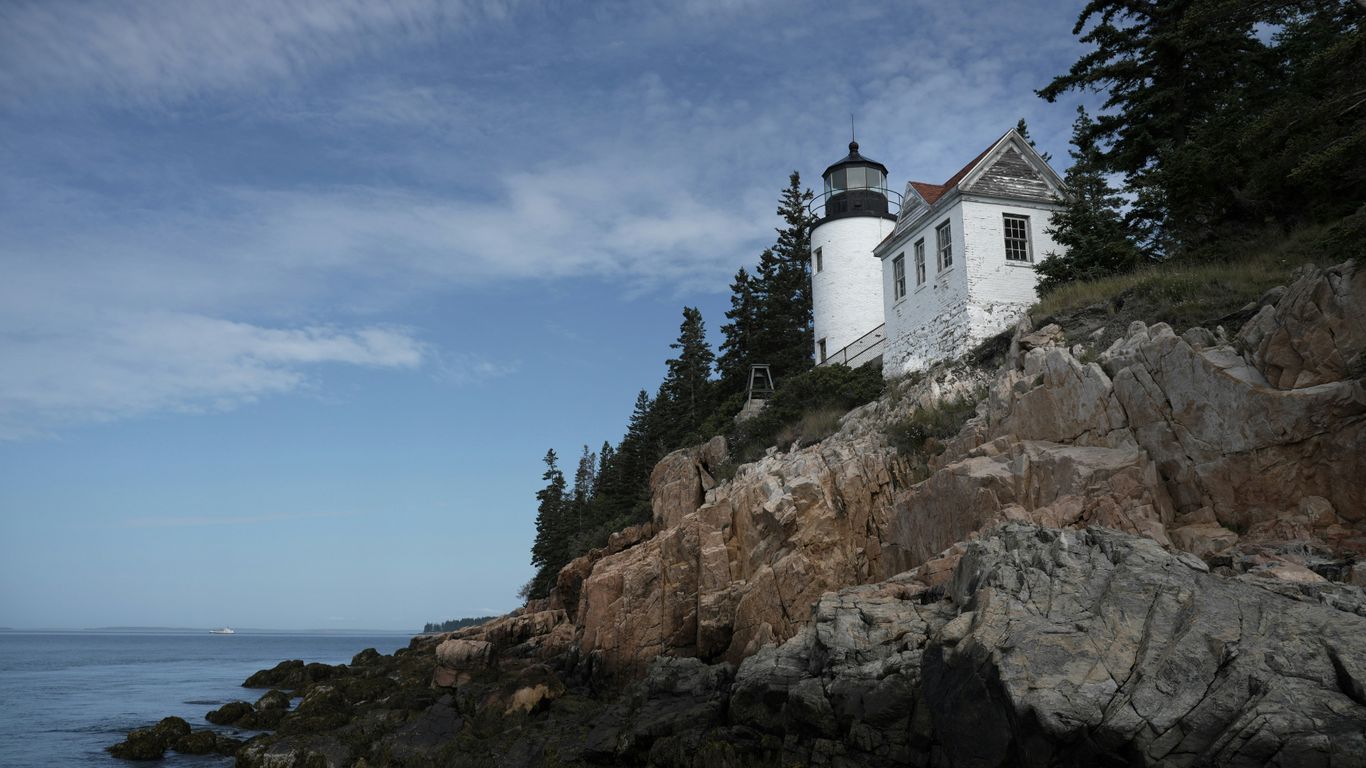
Mature trees on older lots may have wide canopies and limited work space
On an older lot, a mature canopy may extend over a house, driveway, or neighboring landscape, with little open ground for equipment. Red and white oak, maple, and other regional trees can grow broad crowns that need careful section-by-section planning. We look at both the canopy and the landing area before setting the work scope.
Coastal wind, salt exposure, and wet soil can affect tree condition and access
Wind off the coast, salt spray near the water, and wet spring soil are practical details to mention when discussing a tree. They may affect the tree’s condition or limit where equipment can travel. Nor’easters and ice loading can also leave damaged limbs that call for a closer assessment before work begins.
Wetlands or conservation buffers may call for added review before work begins
Some Essex County towns regulate work near wetlands or conservation areas. Do not assume a tree can be removed without checking first, especially if the property is close to a buffer. Consult the town and review its Beverly tree-removal information before scheduling work in a potentially regulated area.
Check what the written estimate includes
Two estimates are hard to compare if one covers hauling and the other leaves it out. Ask the crew to describe the removal method, what happens to the wood, and how the site will be left. At Arbor Tree Service, our written estimate should make the proposed tree removal work clear enough for you to compare the scope line by line.
Compare removal, lowering, and haul-away details line by line
Look for separate descriptions of cutting, lowering or lifting sections, processing wood, and hauling debris. These details show what the crew plans to do, rather than just giving you a total. Use the estimate to confirm whether the following are included:
- Removal of the specified tree or trees
- Lowering or crane lifting of sections
- Chipping, wood handling, and haul-away
- Cleanup of the work area
Once you have those details, compare like with like. If something is not listed, ask whether it is excluded or simply needs to be added to the scope.
Confirm whether stump removal is included or quoted separately
Tree removal does not automatically mean the stump will be taken out. Ask whether stump removal is included, available as a separate service, or not part of the estimate. That distinction matters if you plan to replant, landscape, or use the space soon after the tree is gone.
Ask how the crew plans to protect structures, lawn, and nearby utilities
A useful estimate describes how the crew intends to work around buildings, lawn, and visible utilities. Point out septic systems, irrigation, fences, and anything else that may not be obvious from the street. To request a written estimate, share photos if useful, but expect the work plan and price to be confirmed with an on-site assessment.
Removal is not always the only cost-effective option
A tree that concerns you may need removal, but trimming or preservation work can sometimes address the concern without taking down the whole tree. The decision should follow an assessment of the tree and its surroundings, not a guess based on one branch or a single photo. Local requirements also belong in the plan before scheduling work.
Trimming may address hazardous limbs without removing the whole tree
If the concern is limited to dead limbs or overhanging branches, trimming may be worth discussing. Our Tree Trimming service addresses overgrown branches, dead limbs, and hazardous overhangs in Beverly. An on-site evaluation can help determine whether trimming fits the condition and location of the tree.
Preservation work may help retain a tree that can still be managed safely
When a tree may be manageable, a professional assessment can consider its health and structure before removal is chosen. Arbor Tree Service offers Tree Preservation, including tree health evaluations and recommendations for care. The call on whether a tree can be retained safely is made on site after looking at its condition.
Verify local requirements before scheduling removal or land clearing
Before work begins, check with the town about any rules that could apply to tree removal or land clearing, especially near wetlands or conservation buffers. The requirements can vary by location, so confirm them directly rather than relying on a neighbor’s past project. If approval or added review is needed, account for that in your schedule.
Conclusion
For Beverly, plan around $450 to $1,500 for a straightforward removal and $2,000 to $15,000+ for crane-assisted work, then use a written on-site estimate to confirm the scope. Arbor Tree Service can assess the tree and discuss removal or other appropriate work; the next practical step is to arrange an estimate before scheduling.
Frequently Asked Questions
How much does tree removal cost in Beverly, MA?
Straightforward removals commonly fall near $450 to $1,500. Complex crane-assisted work can range from $2,000 to $15,000+, with the written estimate based on the tree and site.
What makes tree removal more expensive?
Large trunks, heavy limbs, unstable condition, restricted access, nearby structures, and added equipment can increase the work involved. Hauling and cleanup details also affect what the estimate covers.
Does tree removal include stump removal?
Not necessarily. Ask whether stump removal is included or quoted separately, since it may be a separate service from taking down the tree.
When is a crane used for tree removal?
A crane may be considered when the tree is difficult to reach or sections need to be lifted away from a house, pool, septic system, or other obstacle. The site assessment determines whether crane access is practical.
Can a tree be trimmed instead of removed?
Sometimes. If the concern is limited to specific limbs, trimming may be an option, but a professional needs to assess the tree and its location before recommending a course of action.
Do I need to check local requirements before removing a tree?
Yes. Confirm requirements with the town before scheduling work, especially if the property is near wetlands or a conservation buffer.
What should a tree removal estimate include?
It should identify the tree and describe the removal method, lowering or crane work, wood handling, haul-away, cleanup, and whether stump work is included. Ask about property protection and nearby utilities as well.